Florida’s summer heat doesn’t just bring humidity and afternoon thunderstorms — it also drives wildlife to seek shelter in the coolest, quietest spot they can find: your attic. From squirrels raising litters to raccoons escaping the heat, attics across Hernando County and the greater Gulf Coast become prime real estate for nuisance animals every summer. Knowing the warning signs early can save you thousands in structural damage, insulation replacement, and health risks from droppings and parasites.
Florida summers create the perfect storm for wildlife intrusions. Intense heat pushes animals to seek shaded, insulated spaces, while frequent storms damage rooflines, soffits, and vents — creating easy entry points. Add in the fact that many species (squirrels, raccoons, and rats especially) are actively nesting and raising young this time of year, and your attic becomes an irresistible nursery. Once inside, these animals rarely leave voluntarily, especially with a litter to protect.
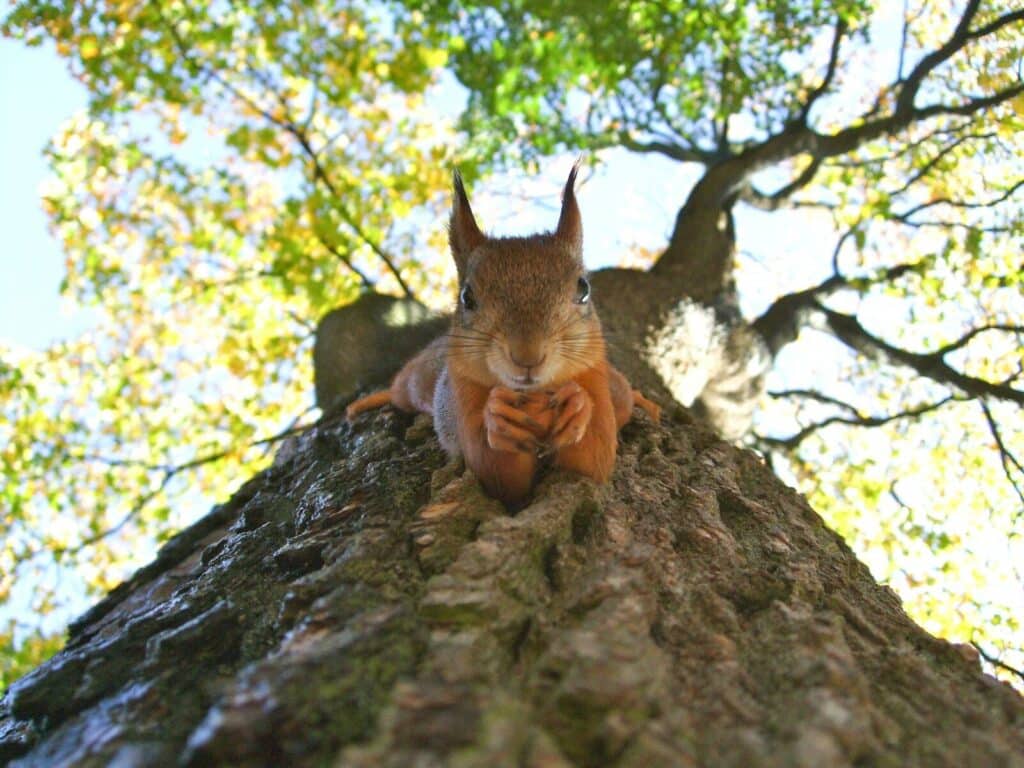
The most common giveaway is noise — especially at dawn and dusk when nocturnal animals like raccoons and rats are most active. Squirrels tend to be active during the day, so scratching sounds in daylight hours often point to them rather than a nocturnal species.
A persistent musty, ammonia-like, or rotting smell coming from your ceiling or vents is a strong indicator of urine, droppings, or even a deceased animal trapped in your attic or wall void. Odors like this rarely resolve on their own and often signal a problem that has been building for weeks.
Check your roofline, soffits, gable vents, and areas where utility lines enter the home. Gaps as small as a quarter can let a rat inside, while squirrels and raccoons can widen small openings within days. Damaged or torn vent screens are one of the most common entry points we find during inspections.
Urine-soaked insulation often shows up as dark, matted patches, and repeated animal traffic can eventually cause ceiling stains or sagging drywall. This kind of damage tends to worsen quickly once an animal establishes a regular nesting spot.
If you go into your attic and find droppings, shredded insulation, leaves, or fabric bundled into a nest, wildlife has almost certainly moved in. Different species leave distinct dropping shapes and sizes, which our technicians use to help identify exactly what you’re dealing with.
Never attempt to handle wildlife yourself. Cornered animals can become defensive, and many species carry parasites or diseases that pose real health risks to you and your family. DIY traps and repellents also rarely solve the underlying problem — if entry points aren’t sealed, new animals will simply move in behind the ones removed.
The right approach is a full inspect-remove-exclude process:
Our rodent removal and wildlife exclusion services are built around this exact process, giving Hernando County homeowners lasting results instead of a temporary fix.
The longer wildlife stays in your attic, the more expensive the repairs become — chewed wiring, soaked insulation, and structural damage all compound over time. If you’ve noticed any of the signs above, it’s time for a professional inspection.
If you suspect wildlife has already made a home in your attic, don’t wait for the damage to get worse. Contact Gulf Coast Wildlife Removal for a prompt, humane inspection and removal plan tailored to your home.
Licensed and insured wildlife control company specializing in humane rodent and nuisance animal removal, professional exclusion work, and comprehensive wildlife management.