Few homeowner experiences are as unpleasant as discovering a dead animal on your property — whether it’s tucked in a wall void, hidden under a deck, or decomposing somewhere in the attic. Beyond the obvious odor problem, dead animal removal carries real health risks if handled incorrectly. Here’s what Florida homeowners need to know about identifying the problem and dealing with it safely.
The most common sign is a strong, persistent odor that seems to intensify over a few days before gradually fading — often described as a sickly-sweet or rotten smell that’s noticeably different from typical household odors. You may also notice:
In Florida’s heat and humidity, decomposition happens fast — often within 24 to 48 hours a carcass can begin producing a noticeable smell, making quick identification and removal especially important.
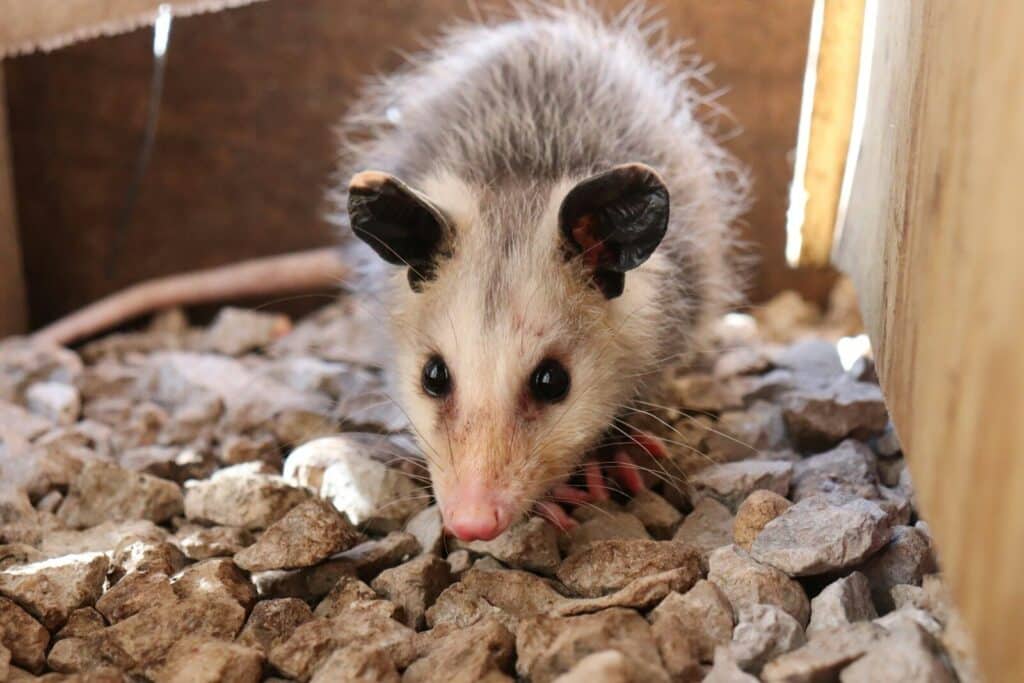
Several species commonly die in inaccessible parts of Florida homes, including:
Decomposing animals can carry bacteria, parasites, and pathogens that pose genuine health risks, and the fluids released during decomposition can stain and permanently damage insulation, drywall, and subflooring if not cleaned and sanitized properly. Reaching into a wall void or crawlspace without the right protective equipment and tools also risks exposure to fleas, mites, or other parasites that may have left the carcass in search of a new host.
Professional removal isn’t just about locating and removing the animal — it’s about doing so safely, sanitizing the affected area thoroughly, and identifying how the animal got into that space in the first place so it doesn’t happen again.
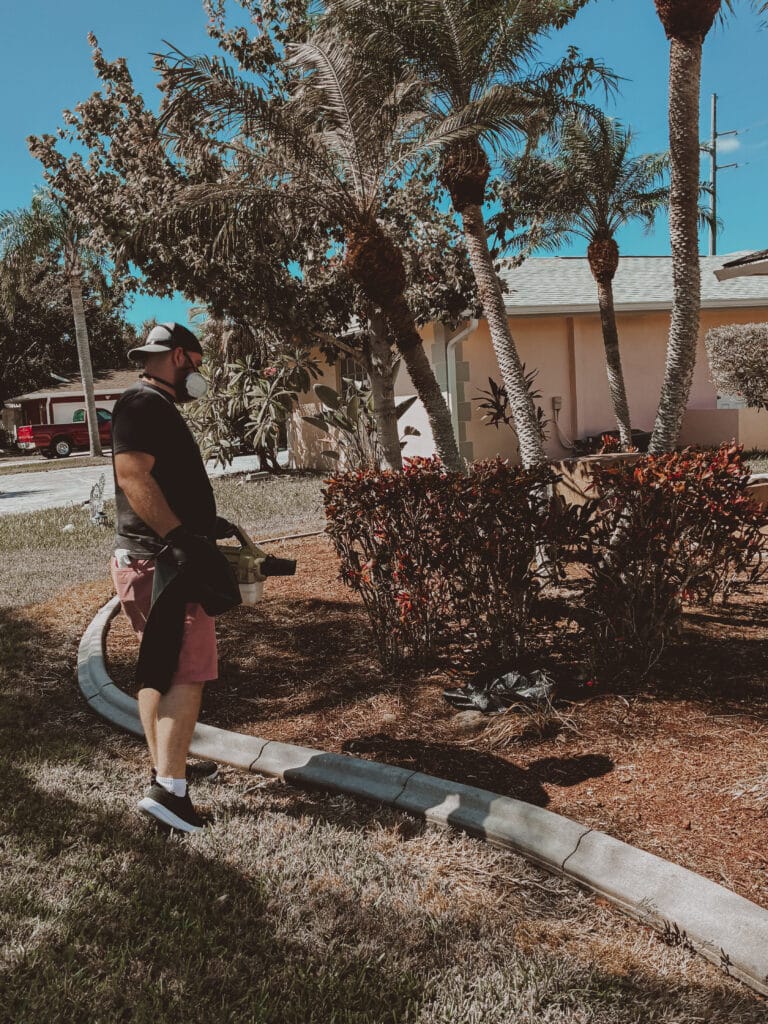
Once the immediate issue is resolved, preventing a repeat occurrence comes down to the same fundamentals as any wildlife exclusion: sealing entry points around the foundation, roofline, and vents, and addressing any ongoing wildlife activity with our full rodent removal and exclusion services before it becomes a repeat problem.
A dead animal problem only gets worse the longer it’s left unaddressed — both in terms of smell and the damage decomposition fluids can cause to your home. If you’re dealing with a mystery odor or have located a carcass you can’t safely reach, contact Gulf Coast Wildlife Removal for prompt, sanitary removal and a full inspection to prevent it from happening again.
Licensed and insured wildlife control company specializing in humane rodent and nuisance animal removal, professional exclusion work, and comprehensive wildlife management.