As Florida’s brutal summer heat starts to ease, rodents begin their annual search for a warm, dry place to spend the cooler months. Rats and mice don’t hibernate, but they do actively seek shelter as temperatures shift — and for many, that shelter is your home. Fall is the ideal time to rodent-proof your property before an infestation takes hold, and this checklist walks you through exactly what to inspect and seal.
Unlike colder climates where rodents move indoors purely to escape freezing temperatures, Florida’s rodent activity is driven more by shifting food sources, breeding cycles, and storm damage from the tail end of hurricane season. As outdoor food supplies change and vegetation dies back, rats and mice move closer to homes — and a single unsealed gap is often all it takes for them to get inside and start a new colony.
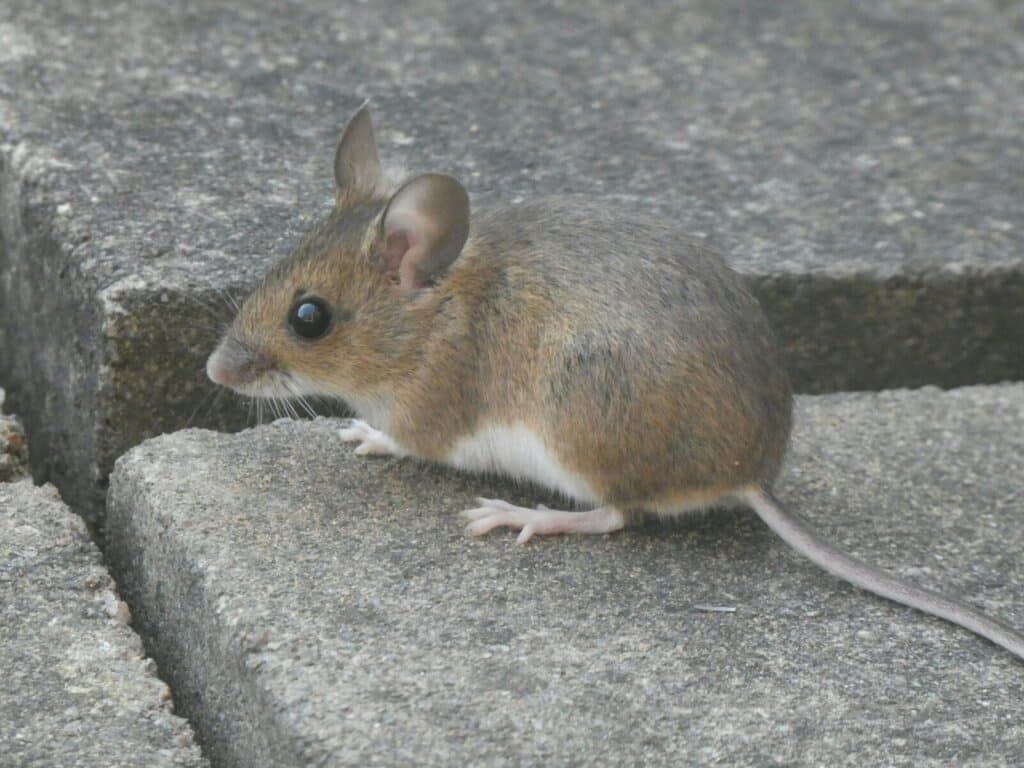
Walk the full perimeter of your home and look for cracks, gaps around utility penetrations, and holes near the foundation. A mouse can squeeze through an opening the size of a dime, while rats can fit through gaps as small as a quarter. Seal any gaps you find with steel wool and caulk or hardware cloth — rodents can chew through plastic and standard caulk alone.
Roof and attic vents are common rodent entry points, especially if screens have torn or rusted. Inspect soffits for gaps or water damage, and check where rooflines meet chimneys or additions — these junctions are frequently overlooked during routine home maintenance.
Worn weatherstripping and gaps under exterior doors are an easy invitation for mice. Install door sweeps, repair damaged screens, and replace worn weatherstripping around windows and garage doors.
Overhanging tree branches give rodents a direct path onto your roofline, and dense shrubs planted against the house provide cover for nesting near entry points. Trim back branches at least 6-8 feet from the roof, and keep woodpiles and debris stacked away from exterior walls.
Once inside, rodents look for undisturbed places to nest — often boxes, insulation, or stored fabric in attics and garages. Store items in sealed plastic bins rather than cardboard, and periodically check less-used storage areas for droppings or nesting material.
Keep pet food sealed in airtight containers, clean up fallen fruit or bird seed promptly, and fix any leaking outdoor faucets or irrigation lines. Rodents are drawn to easy, reliable food and water — removing those sources makes your property far less appealing.
If you’re already hearing scratching in the walls or finding droppings in cabinets or attic spaces, sealing entry points alone won’t solve the problem — you’ll need professional trapping and removal first. Our rodent removal services cover both rat removal and mice removal, paired with full exclusion work so the same entry points don’t invite a new generation of rodents next season.
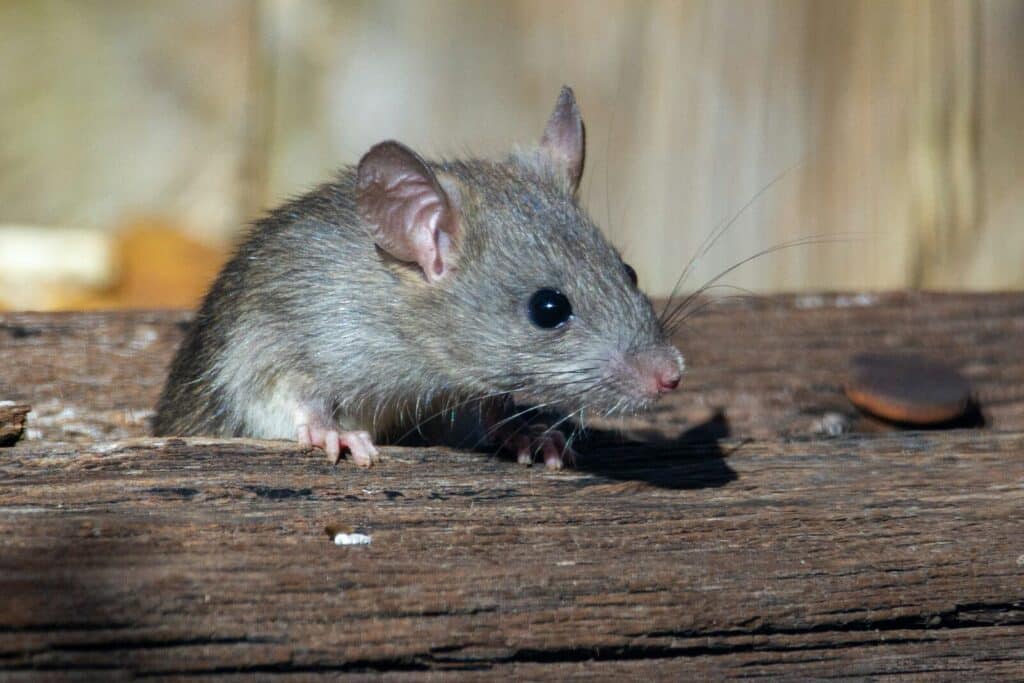
DIY traps can catch individual rodents, but they rarely address the underlying entry points — and rodents breed quickly, so a partial fix often means the problem returns within weeks. A professional exclusion service identifies every access point, seals them with rodent-proof materials, and verifies the work holds up over time, giving you a lasting solution instead of a repeating cycle.
Working through this checklist now, before rodent activity peaks, is the most effective way to protect your Florida home this season. If you’d rather have a trained technician handle the full inspection and sealing process, contact Gulf Coast Wildlife Removal to schedule a fall rodent-proofing inspection before the cooler months bring rodents indoors.

Licensed and insured wildlife control company specializing in humane rodent and nuisance animal removal, professional exclusion work, and comprehensive wildlife management.